
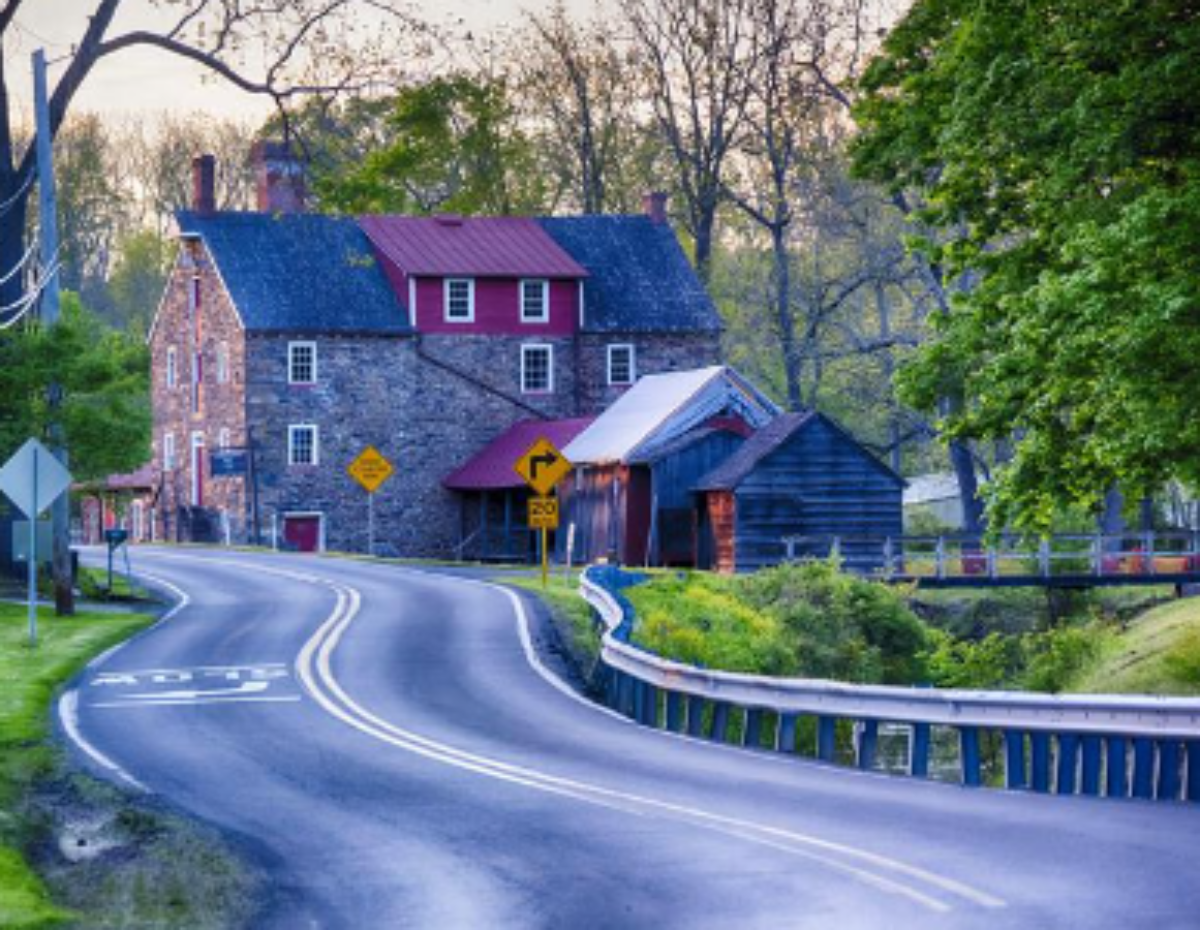
Bucks County, Pennsylvania, is known for its beautiful historic homes, charming stone farmhouses, colonial architecture, and timeless architectural details. While these properties offer unique character and rich history, they often need thoughtful updates to meet the needs of modern homeowners. Remodeling a historic home requires a careful balance between preserving its original charm and introducing modern functionality, comfort, and efficiency.
Whether you own a historic farmhouse in New Hope, a colonial home in Doylestown, or an older property elsewhere in the region, understanding the remodeling process can help you make informed decisions. With the right planning and an experienced remodeling contractor, you can preserve what makes your home special while creating a space that works for your lifestyle.
Preserve the Architectural Character of Your Historic Home
One of the most important considerations when remodeling historic homes in Bucks County is maintaining their original architectural character. Features such as exposed wooden beams, original hardwood floors, stone walls, decorative moldings, and traditional fireplaces contribute to a home’s identity and appeal.
Instead of removing these details, consider restoring and incorporating them into your renovation. Refinished wood floors, repaired masonry, and carefully restored trim can preserve the home’s historic charm while refreshing its appearance.
When planning a historic home renovation, identify which features are worth preserving before beginning demolition. Working with a knowledgeable remodeling contractor can help you determine how to integrate modern upgrades without compromising the architectural elements that make your property unique.
Upgrade Outdated Systems for Modern Comfort
Many older homes in Bucks County were built long before today’s standards for heating, cooling, electrical systems, and plumbing. While their craftsmanship may be impressive, outdated infrastructure can affect comfort, safety, and energy efficiency.
A historic home remodeling project is an opportunity to address these concerns. Depending on the home’s condition, upgrades may include modern electrical wiring, improved insulation, updated plumbing, energy-efficient windows, and more effective heating and cooling systems.
These improvements can make everyday living more comfortable while helping reduce long-term maintenance concerns. However, upgrades should be carefully planned to minimize disruption to original materials and architectural details.
For example, improving insulation and sealing drafts may enhance energy efficiency without dramatically changing the home’s exterior appearance. The goal is to make your home function like a modern property while retaining its historic appeal.
Modernize Kitchens and Bathrooms Without Losing Their Charm
Kitchens and bathrooms are often among the most important areas to update in an older home. Historic layouts may feel cramped, lack storage, or feature outdated fixtures that no longer meet your household’s needs.
A thoughtful kitchen remodel can introduce better storage, modern appliances, improved lighting, and more practical workspaces. You can pair these upgrades with traditional cabinetry, natural materials, or classic design elements that complement the home’s original architecture.
Similarly, a bathroom remodel can improve functionality with updated plumbing fixtures, modern showers, improved ventilation, and durable finishes. Choosing timeless materials and complementary colors helps maintain visual consistency throughout the home.
For homeowners considering whole-home remodeling, coordinating kitchen and bathroom updates with other improvements can create a more cohesive design and help avoid unnecessary construction work later.
Address Structural Issues Before Cosmetic Improvements
Historic homes can develop problems over time that aren’t always immediately visible. Aging foundations, deteriorating masonry, roof damage, moisture intrusion, and outdated framing may require attention before cosmetic remodeling begins.
Addressing these issues early is essential to protecting your investment. For example, repairing water damage before installing new flooring or cabinetry can help prevent future deterioration and costly repairs.
Before starting a major renovation, consider a thorough assessment of the property’s condition. Depending on the project, you may need specialized inspections or input from structural engineers and other professionals.
A qualified home remodeling contractor can help coordinate the work, identify potential challenges, and develop a renovation plan that accounts for the home’s age and construction methods.
Understand Historic Preservation Rules and Local Requirements
Not every older home is officially designated as historic, but some properties in Bucks County may be subject to additional preservation requirements, local zoning rules, or design review processes.
Before making exterior changes, expanding your home, replacing original windows, or altering historically significant features, check the applicable local requirements. Depending on the property’s designation and location, approvals may be necessary.
Building permits and inspections may also apply to structural modifications, electrical work, plumbing updates, and other remodeling projects.
Understanding these requirements early can help prevent delays and unexpected expenses. An experienced local remodeling contractor can help you navigate the planning process and determine which approvals may be needed for your project.
Choose a Remodeling Contractor Who Understands Older Homes
Remodeling a historic property presents challenges that differ from those of renovating a newer home. Older construction materials, irregular layouts, hidden structural conditions, and preservation considerations require careful planning and skilled workmanship.
When choosing a remodeling contractor, look for experience with complex renovation projects, clear communication, detailed estimates, and an approach that respects your home’s existing character.
It’s also important to work with a contractor who understands your goals, whether you’re planning a kitchen renovation, updating multiple rooms, or undertaking a complete home transformation.
The right team can help you prioritize improvements, make informed material selections, and bring your vision to life while protecting the qualities that make your historic home distinctive.
Give Your Historic Bucks County Home a New Chapter With 215 Build
Your historic home deserves more than a standard renovation. It deserves a thoughtful approach that preserves its character while creating a comfortable, functional space for years to come.
At 215 Build, we help homeowners throughout Bucks County and Montgomery County transform their homes with carefully planned remodeling solutions. Whether you’re updating a historic farmhouse, modernizing a colonial property, or planning a whole-home renovation, our team can help you bring together timeless design and modern living.
Ready to start your historic home remodeling project? Contact 215 Build today to discuss your vision, explore your options, and take the first step toward a home that honors its past while embracing its future.